
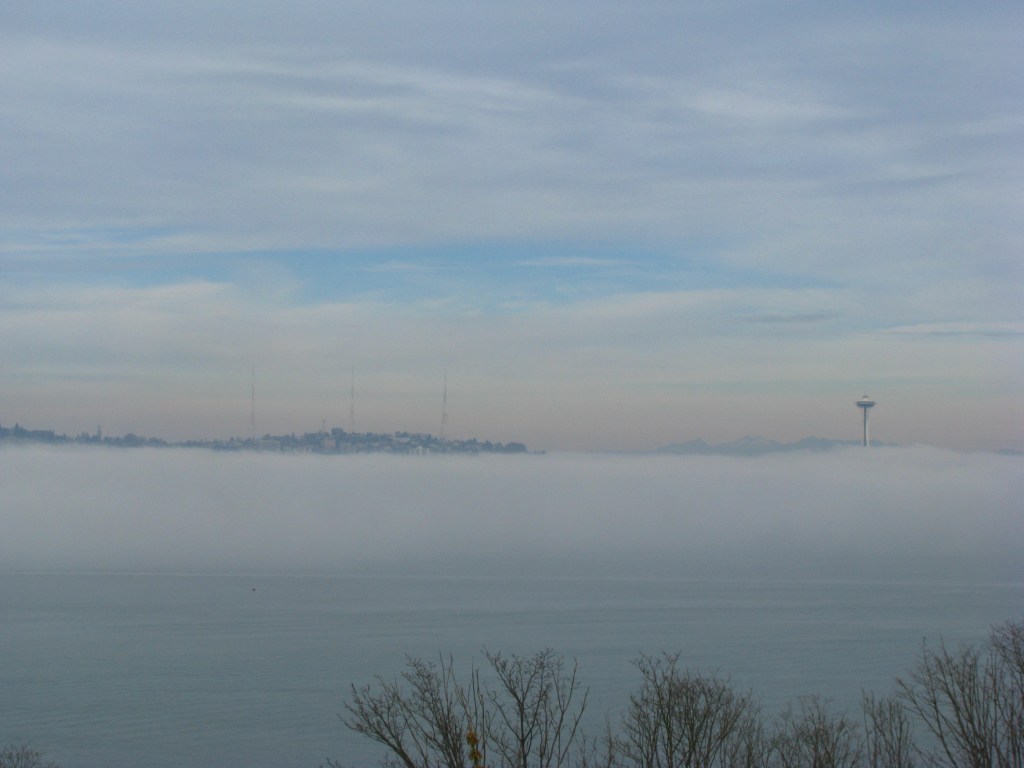
I can’t bring myself to close the window on my phone; the window that still holds Nicole Brodeur’s column about John Fisher and the end of 103.7 The Mountain. Ever since the announcement last week, I’ve been quietly mourning, trapped in Chicago: a city that will never understand. How can I describe to my friends this grief I feel, grief over the closing of a local radio station? It seems deeply wrong to put into words the sound and the feel of 103.7 The Mountain: they played rock, but not just rock; folk music, but not just folk; alternative, independent music, but without pretense; blues, but they were never gloomy. They found a deep-set pulse within the city, and they played its heart out.

I like to imagine The Mountain’s loyal listeners as middle-aged Subaru-driving recycling NPR diehards. The men and women who were riding their bikes before it was a political statement. Who own more than three fleece vests. Who remember the Kingdome and the original Rainier R. Who listened faithfully to New Music Tuesdays and the Mountain Music Lounge with their kids buckled in the back.
I was one of those children. The Mountain and I were born in the same year, and I grew up with this station as an integral part of my cultural soundscape, unthinkingly absorbing the sound and the soul of the blues/folk/rock greats. B.B. King and Little Feat filled my mornings while Susan Tedeschi and Bonnie Raitt took me home.
I find myself scrambling to collect my memories of The Mountain like papers in the wind, grabbing frantically before they slip away. I feel guilty not remembering every nuance of their regular greeting; why can’t I hear them anymore? For me, losing The Mountain is more than the music, however: I’ve lost part of my home…
I wrote that in 2013. Reading it now, I can still tap into this feeling of huge, helpless loss. But lately I’ve been thinking about all the smaller losses that have happened since.
Literally anyone who knows me knows I’m from Seattle. It’s one of my defining characteristics, particularly since I’ve been living in Chicago. I talk about mountains, camping, rain, evergreen trees, and the smell of the Sound. I refuse to eat seafood in the Midwest. I won’t change my driver’s license. I listen to Seattle-based music, I still obsessively recycle, and my room is strewn with memorabilia from the northwest. I’m pretty obnoxious about it. I’ve lived in Chicago for seven years now, but I still identify first and forever as a Seattle child. Everyone knows it.

But… sometimes friends will visit Seattle and ask for recommendations about what to do and where to go, and I can’t really help them. I don’t know the hottest bars to try – I’ve never been 21 and living in Seattle. I can tell you the best movie theater to awkwardly hold hands in as a hormonal teenager, but otherwise I’m useless. I’m like a pre-owned, outdated guidebook.
Seattle is growing and changing so much that every time I go home, the city looks drastically different. Condominiums appear, new boutiques color over my old haunts, and long ago favorites disappear under construction signs. The city is shifting. The Mountain didn’t close because they started playing bad music. They closed because the people of the city changed. I no longer have its pulse.
“You can never really go home again.”
This phrase used to make sense to me. When I leave home, of course I change – I have new experiences, meet new people, and my worldview evolves. I’d come back to Seattle as a different person and view the city through new eyes.
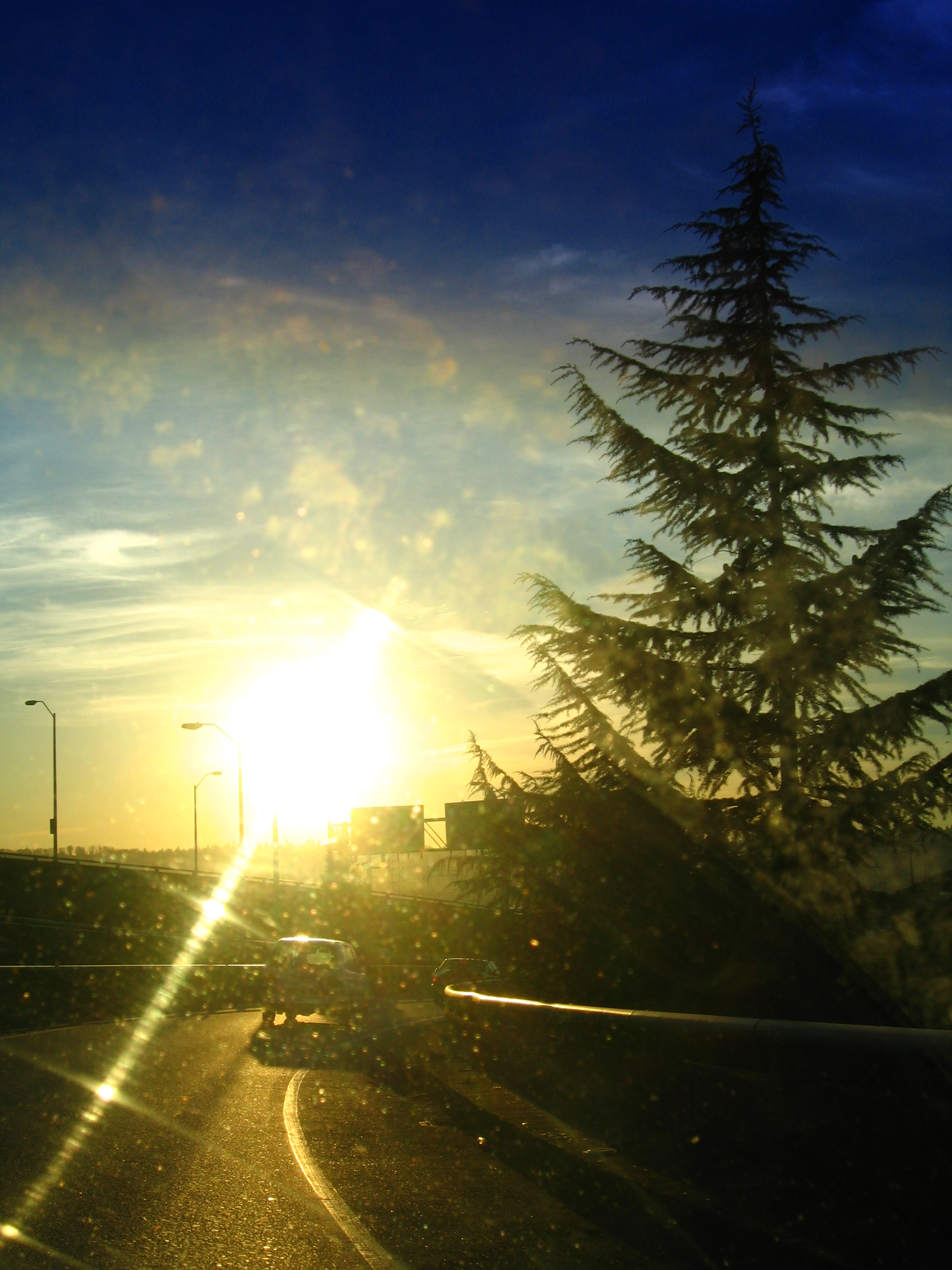
It never occurred to me that home could change, too. But over the past five to seven years, Seattle has changed. When I left, Seattle was on the cusp of (another) tech boom – today it’s leading the charge. This boom brings new buildings, restaurants, neighborhoods, and people. People are flocking to Seattle, and they’re making the city their own.
In many ways this change is good. But it’s also flushing out much of the quirky flavor I held dear. For example, Capitol Hill is rapidly gentrifying. The hill’s old, historic character is becoming new and trendy. Broadway was a safe haven for the LBGTQ community. It was grungy, offbeat, kinky, and full of color. But lately it’s seen a spike in hate crimes as the nearby Pike/Pine area evolves into the epicenter of Seattle nightlife.
These changes are not inherently bad (but let’s talk about gentrification later). But for me, a displaced 206 diehard, they’re traumatic.
A writer on Gawker was similarly traumatized. He blamed Amazon for all of the changes in Seattle – they “swallowed Seattle.” The writer grew up in the same Seattle I did, and describes it well:
Seattle has always represented possibility and prosperity. In old Seattle thrived almost any kind of good life. The diversity of backgrounds, desires, and existences renewed itself through community and leisure. The regional character—a “weirdness” based on interest in what one did—was less of an affectation than in Austin, not so much a next-level normativity as in Portland. The abundant money granted time and choice more than it locked into lifestyles, and for this reason did not accumulate and stagnate among those with nothing else, as in New York or the other Washington. The wealth kept the weirdness weird and the weirdness kept the wealth in check.
I’m not as quick to vilify Amazon as he is. Is the situation unprecedented? Absolutely. The largest retailer in the world plans to hire armies of people who will soon move to Seattle. The company has literally created a new neighborhood. Everyone I talk to back home is reeling from how quickly the market is changing.
But…what can you do? People have already moved there. They love Seattle for different reasons than why I love the city or why the Gawker writer does. And that’s okay. Besides, griping isn’t going to make Amazon move, or even change a little.
Instead I’m left holding a Seattle – a picture of home – in my mind like a rapidly fading postcard. I can visit and do the same things: eat pho at the Than Brothers, get a Dick’s Deluxe burger, drive along Alki, and gaze at the Olympics. But these are all just rituals I perform, reenacting my personal myth of the city. They’re echoes of the heartbeat I used to feel. The Mountain is gone. The city still has a heartbeat, but I can’t hear it.

I worry that the humble, laidback, crunchy community I once knew is gone. The people who compost like they breathe. The people who wear Tevas and socks. The people who haunt corners of Capitol Hill, smoking cheap cigarettes while drinking boutique coffee. The characters singing in Pike Place. The scarf guy who always danced at Bumbershoot, but who also once lobbied with me for women’s rights at the state capitol. The protestors, the thinkers, the practical people living in their raincoats and sensible shoes.
Am I waxing romantic? Oh, absolutely. But what scares me the most is that perhaps that’s all I’m able to do anymore.
My childhood home may have died, and I’m scared I missed the funeral. I don’t know if my Seattle is gone, so I can’t tell whether I should be mourning.
There’s no tidy conclusion for this post. I haven’t come to any epiphanies. It’s a phenomenon happening so close to my heart that it’s been easier to feign ignorance. That Seattle is still there. I can still listen to The Mountain*. It’s not my city’s fault. It’s not Amazon’s fault. And it’s not mine. It’s just life. You can never really go home again.
*You actually can still listen to The Mountain Music Lounge: http://www.themountainseattle.com/. But it’s not the same.
 Once
Once 
Leave a comment